
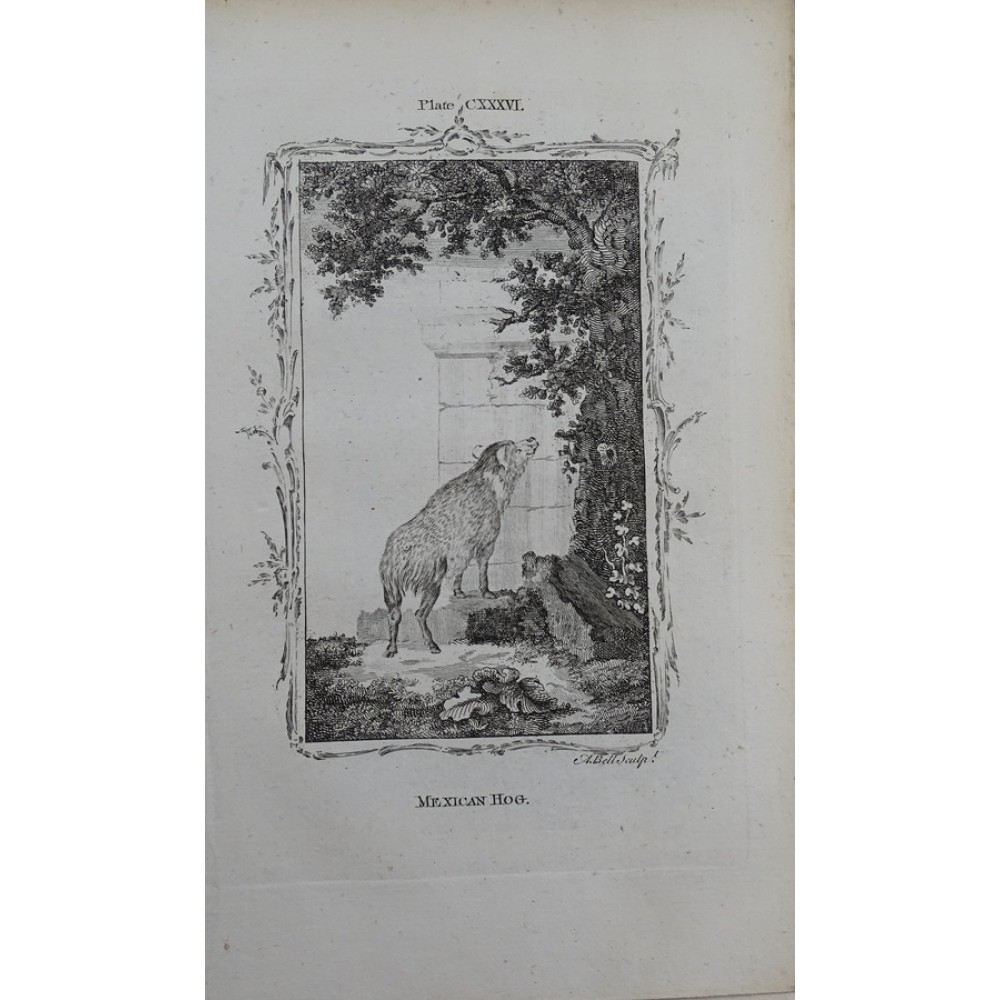
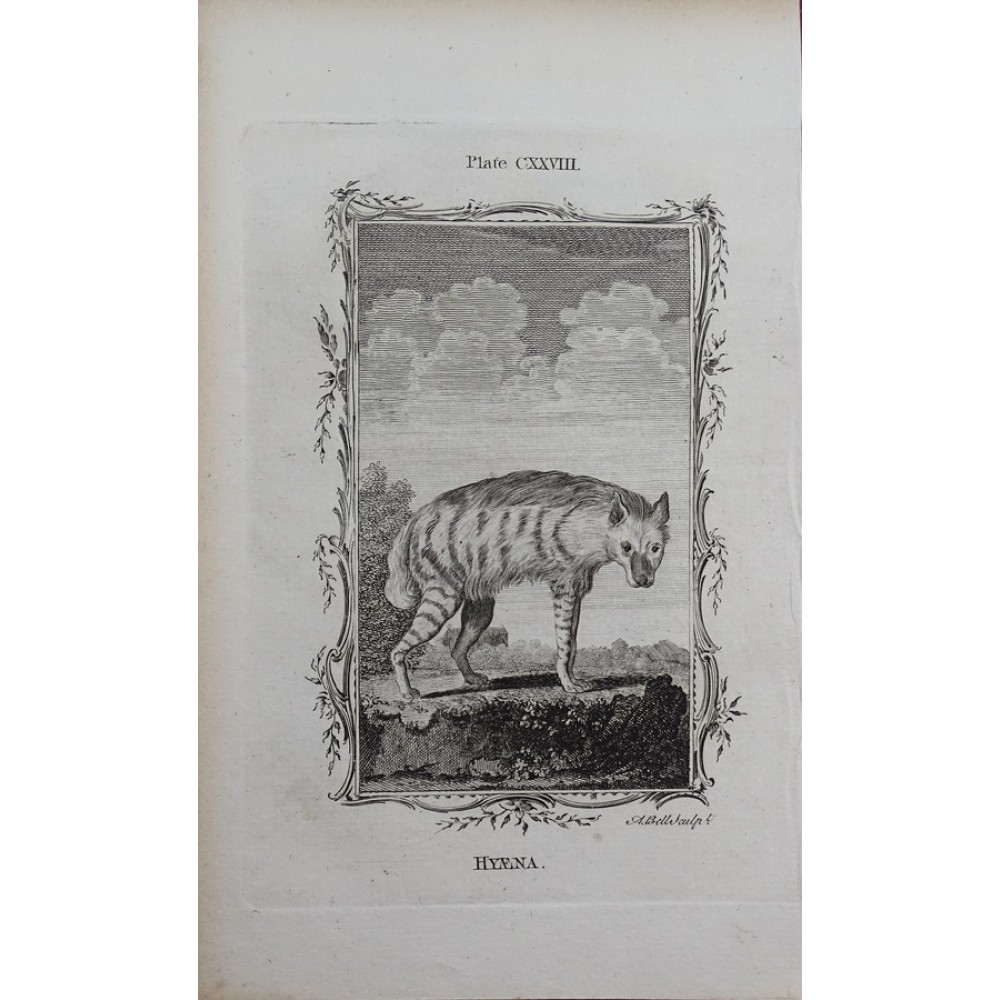
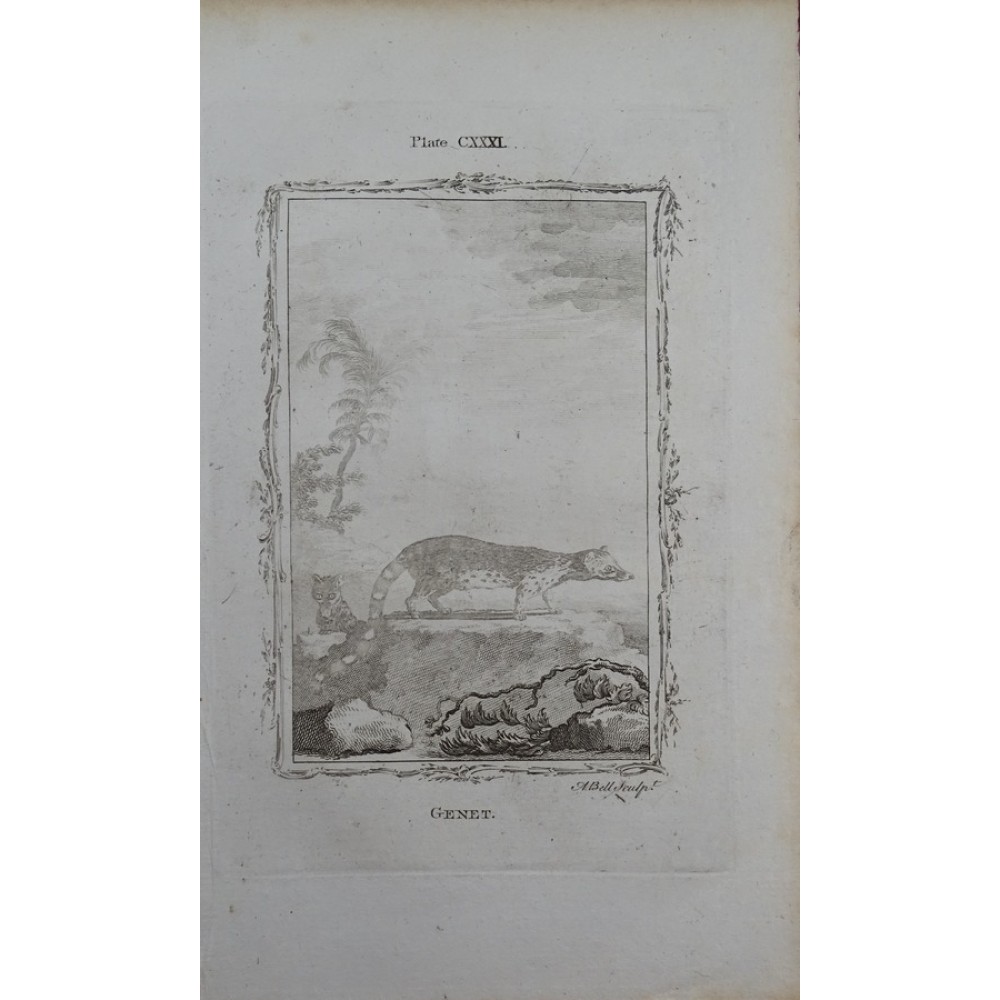
Sheet size: 16.5 x 10 cm
Reverse is clean. Ready for framing. Rare condition!
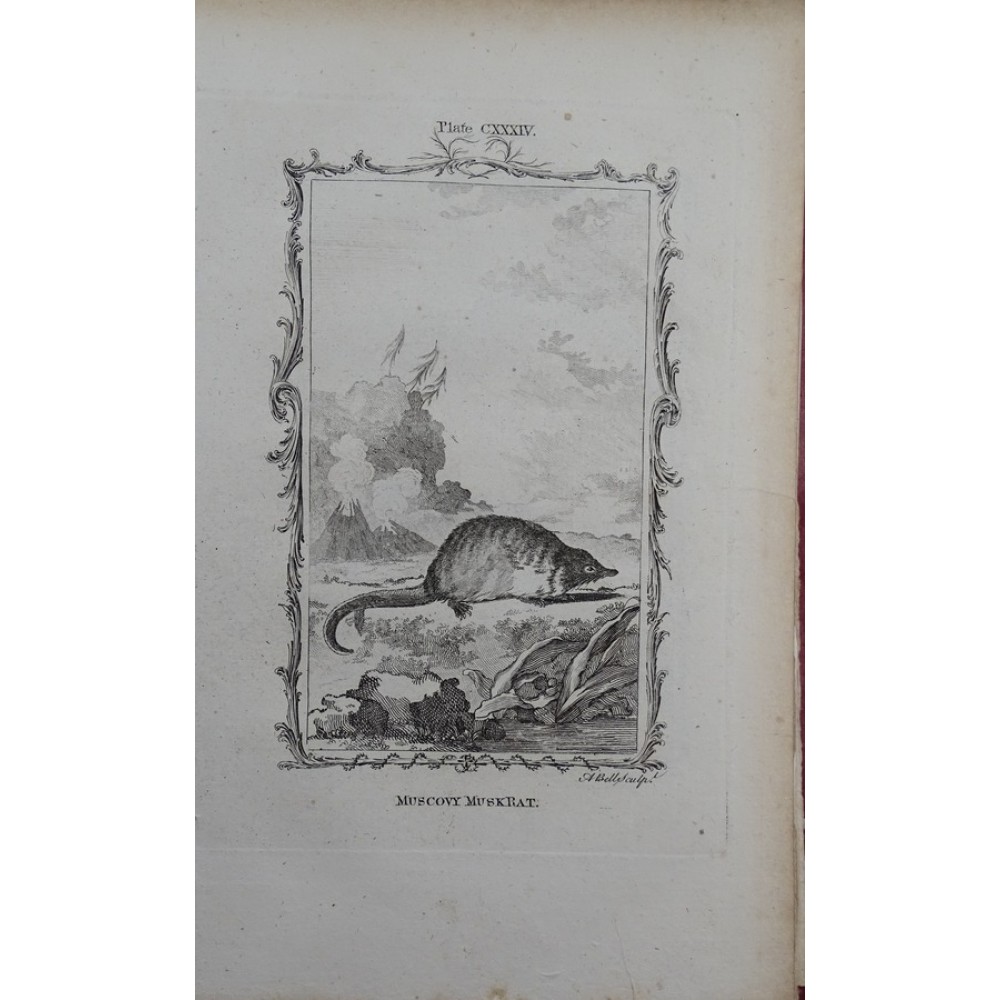
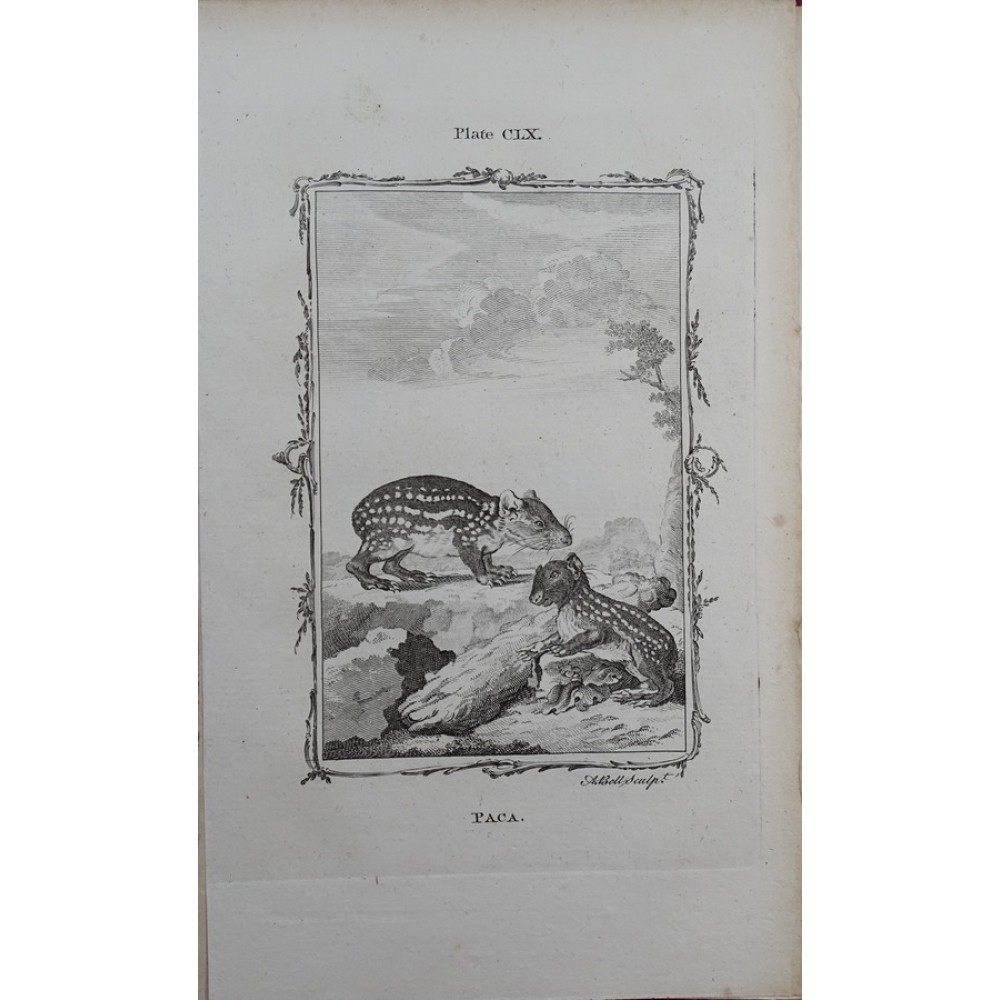
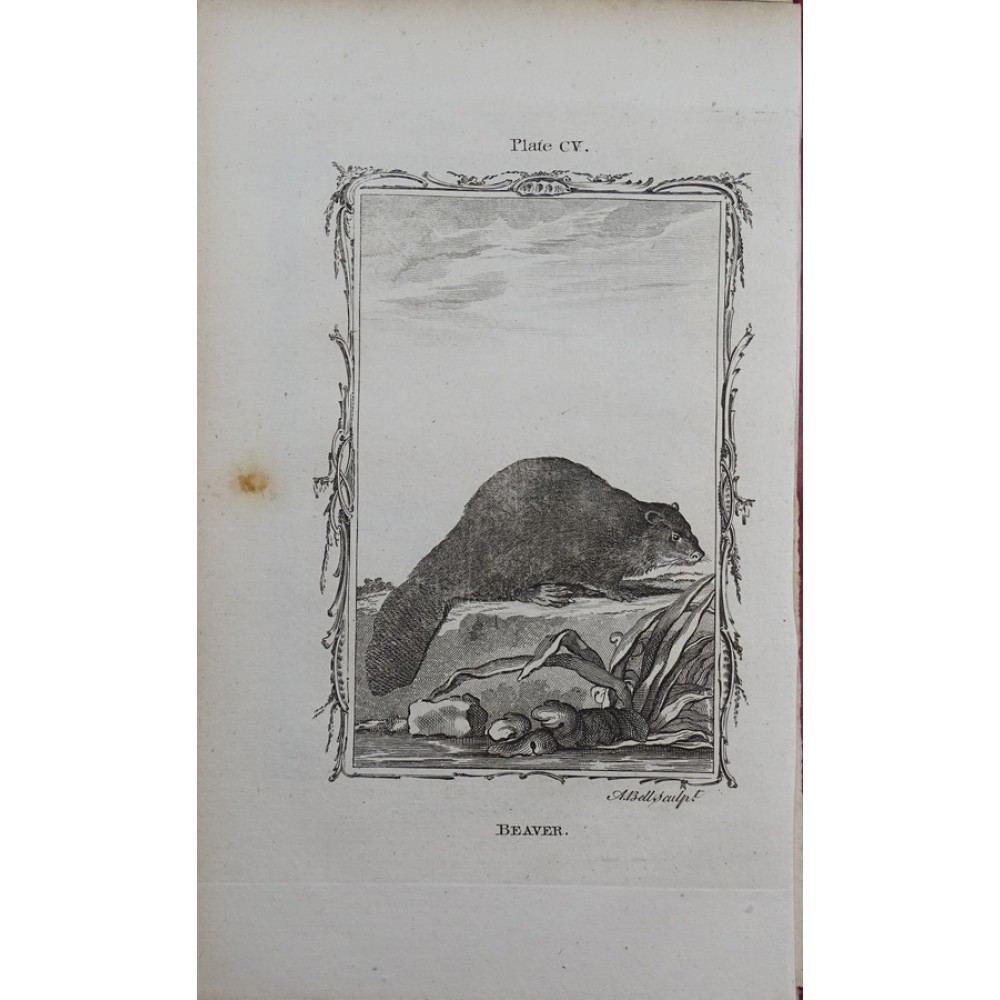
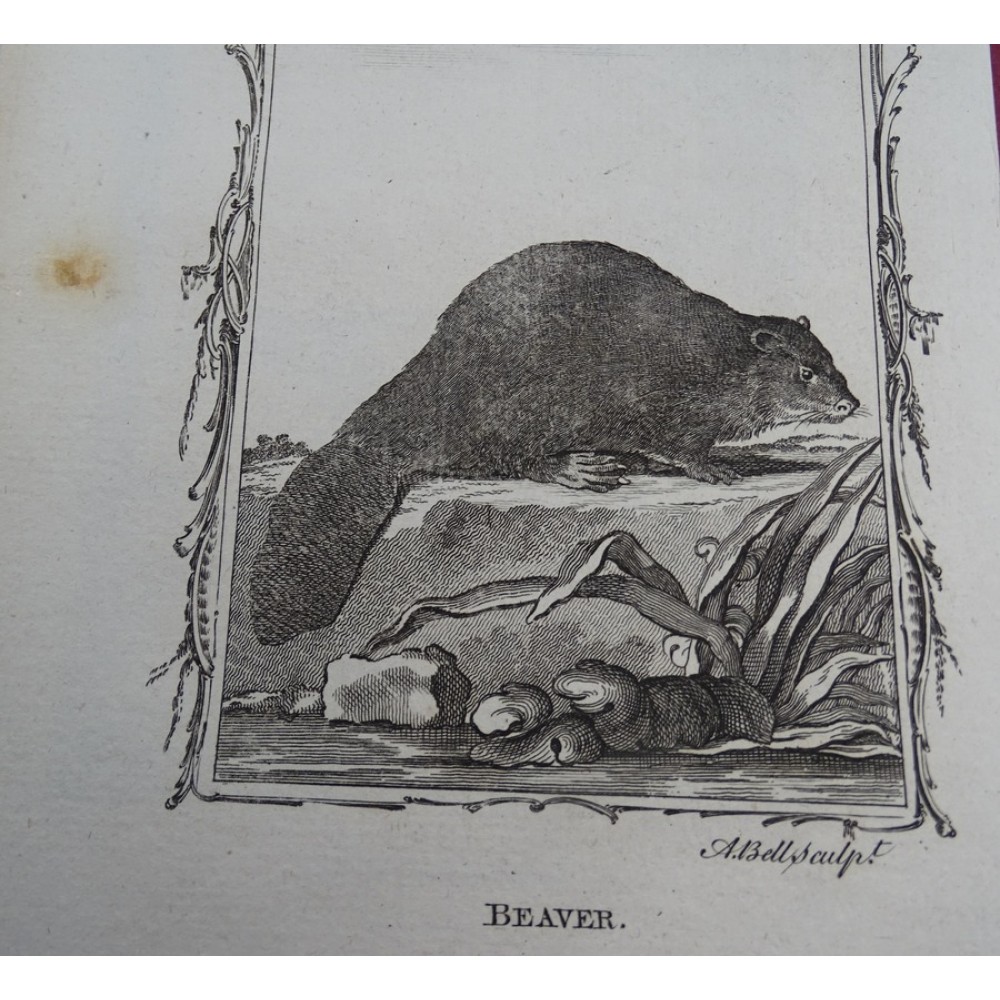
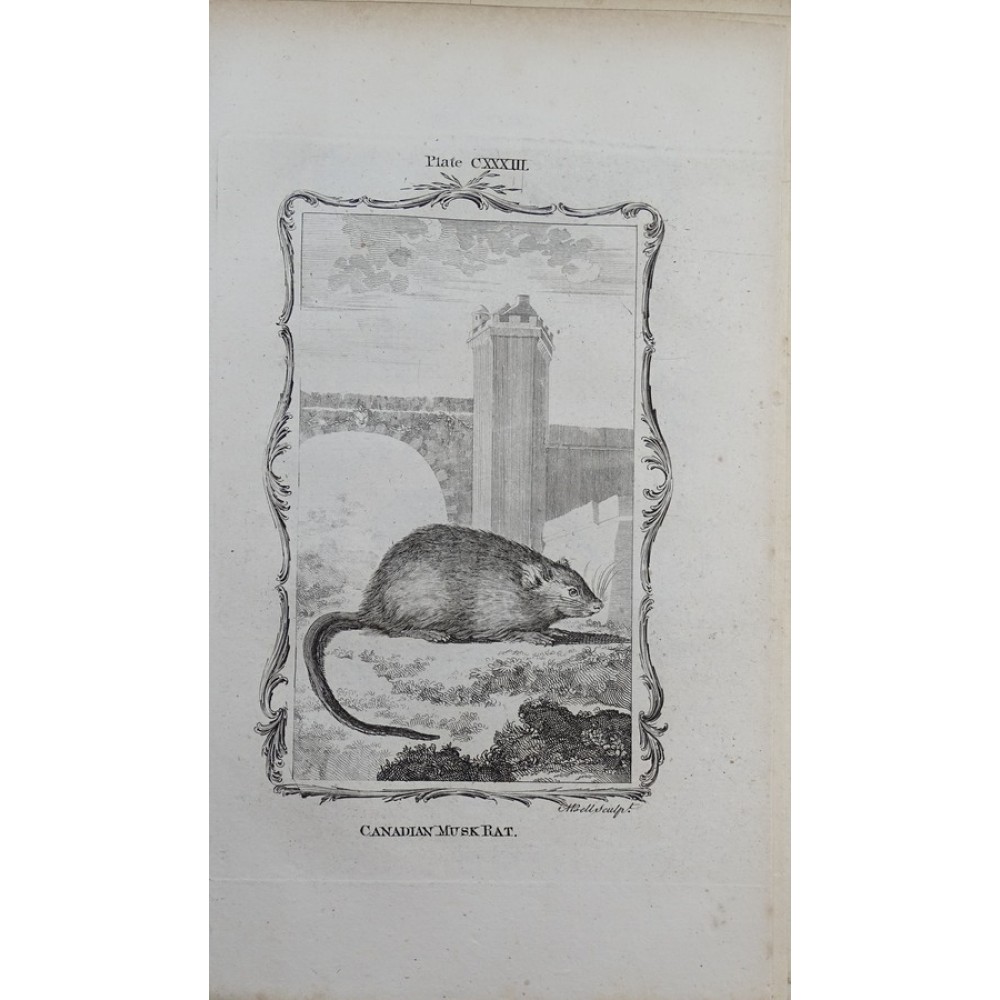
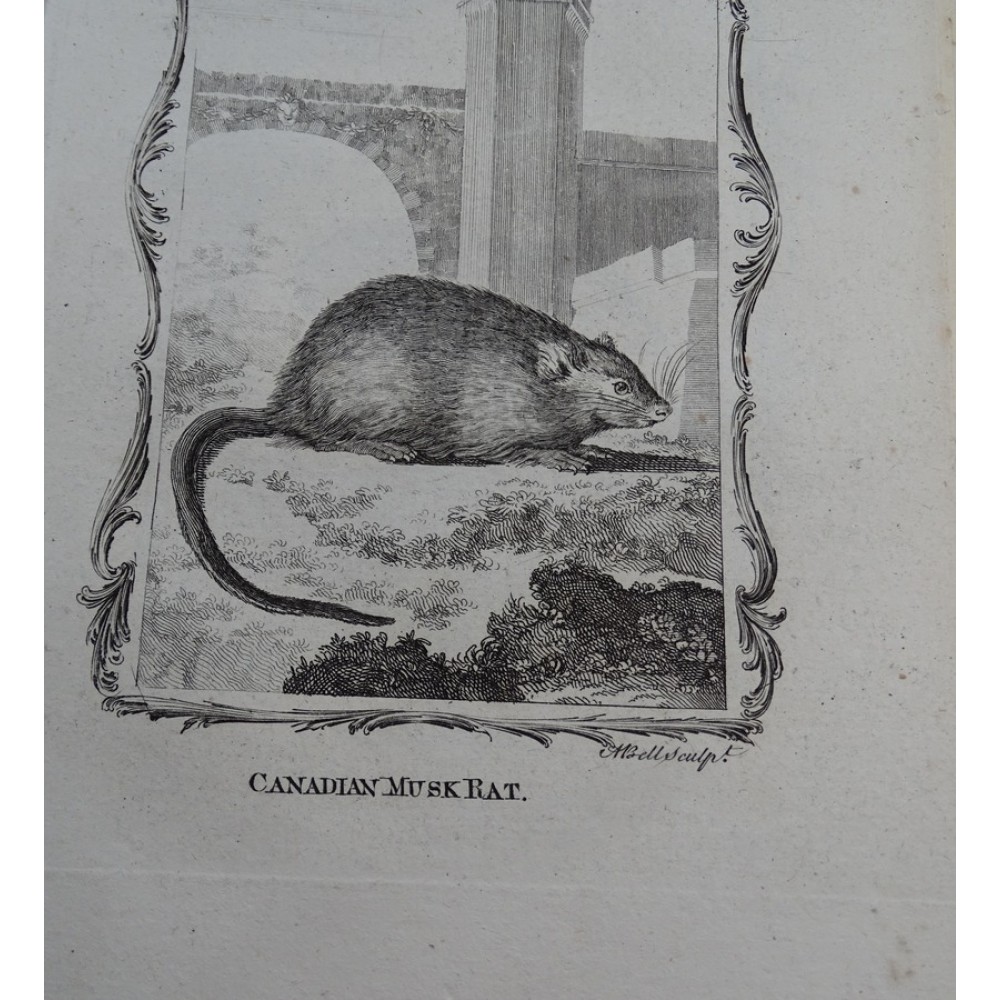
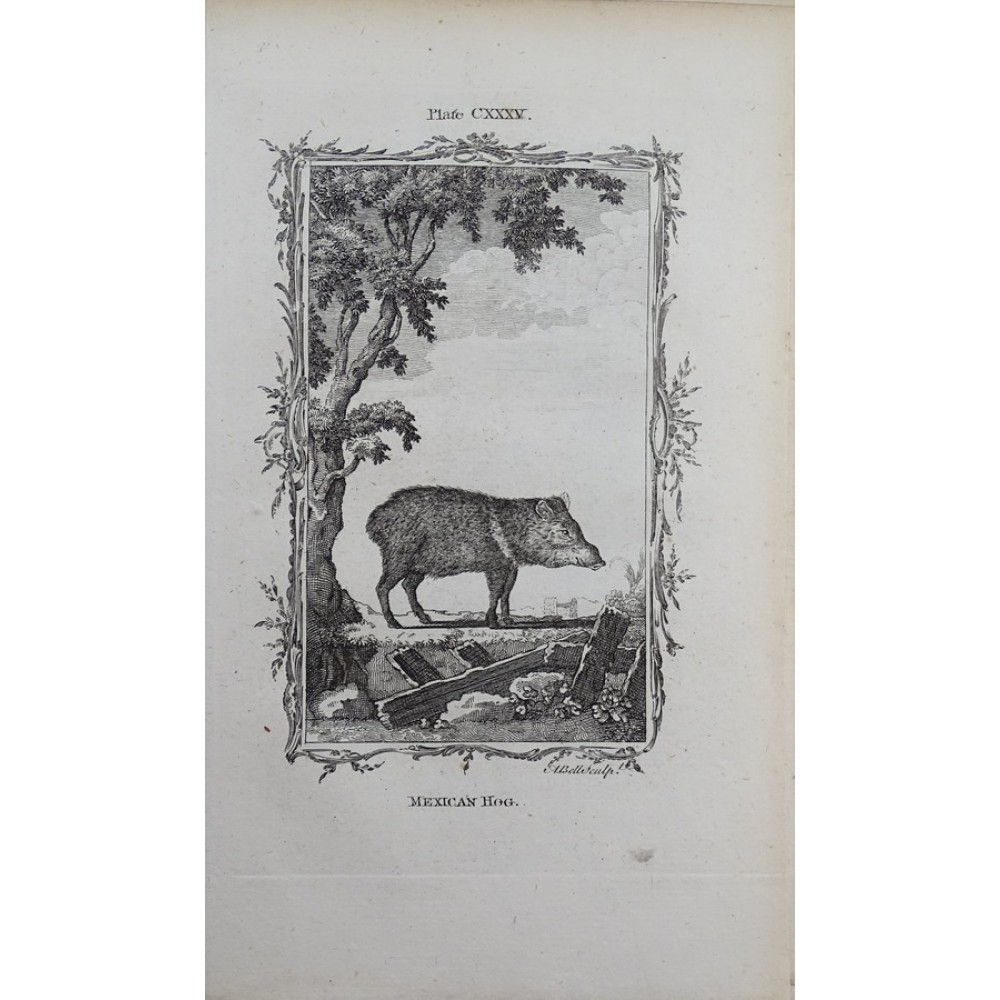
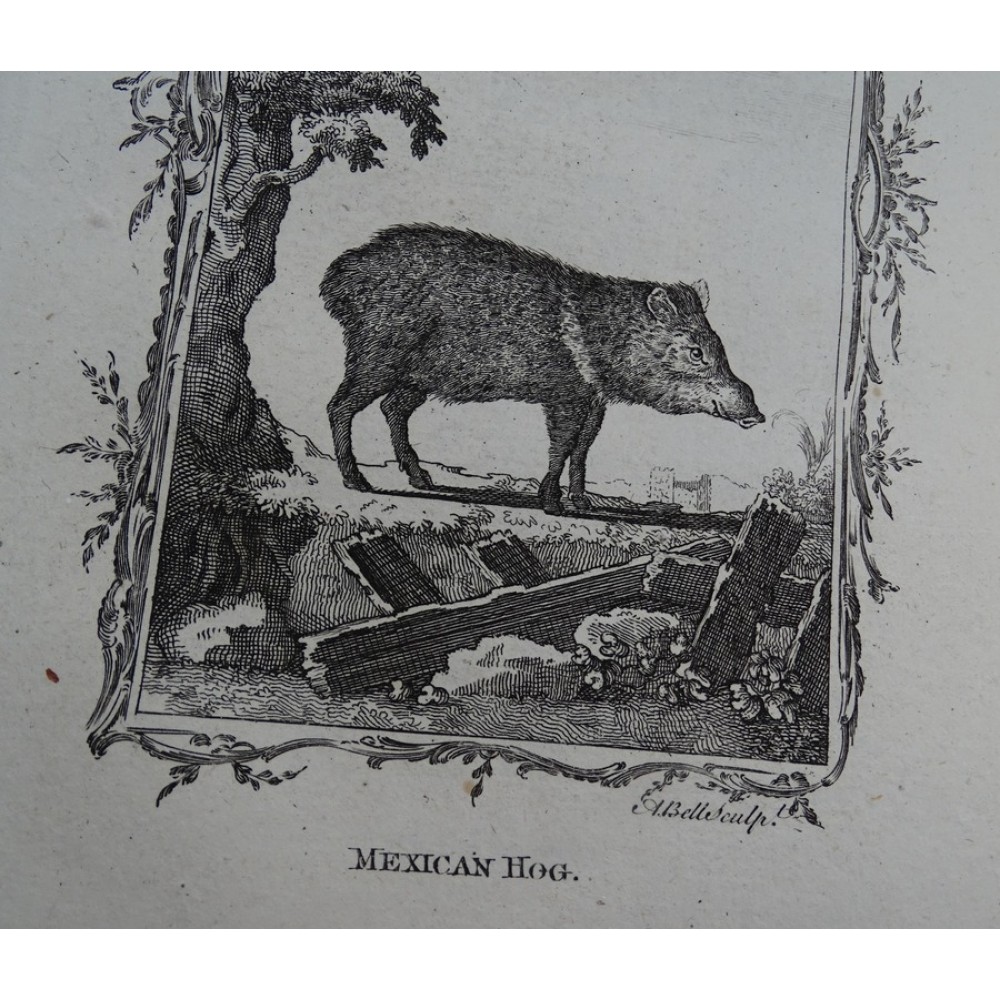
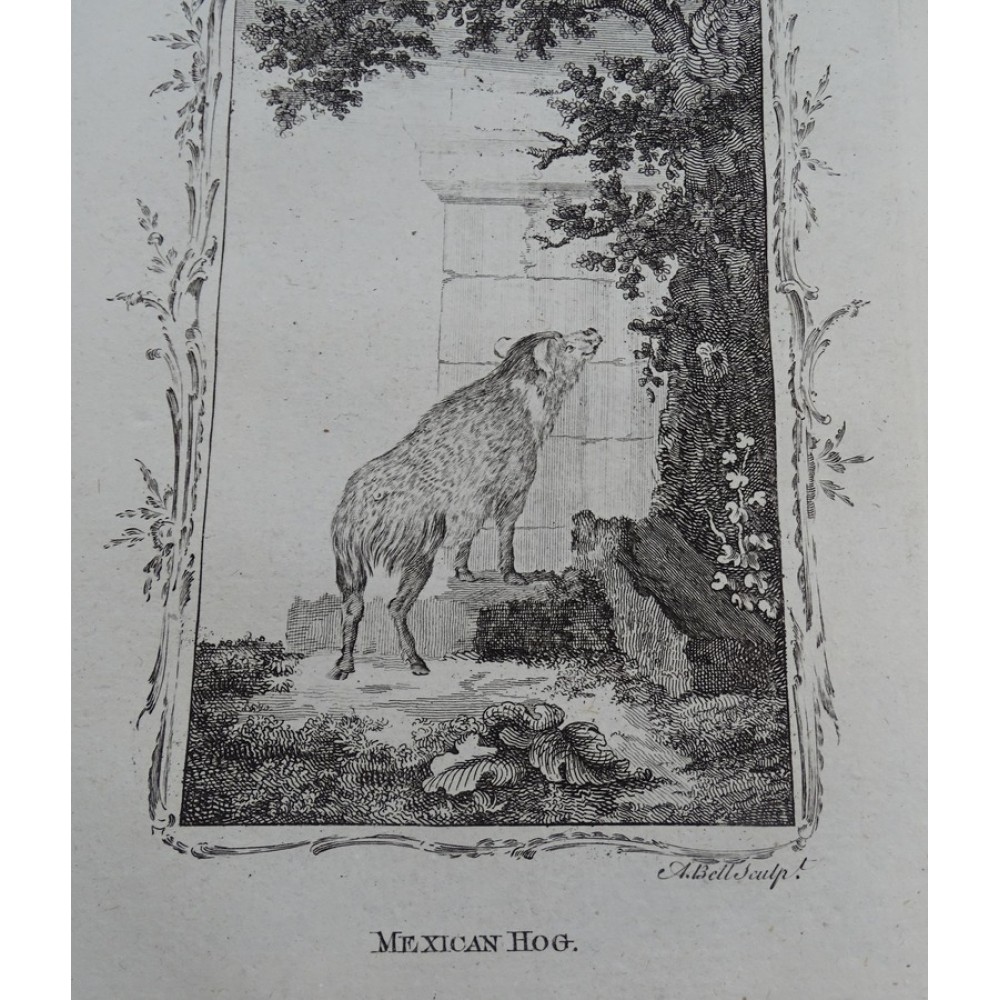
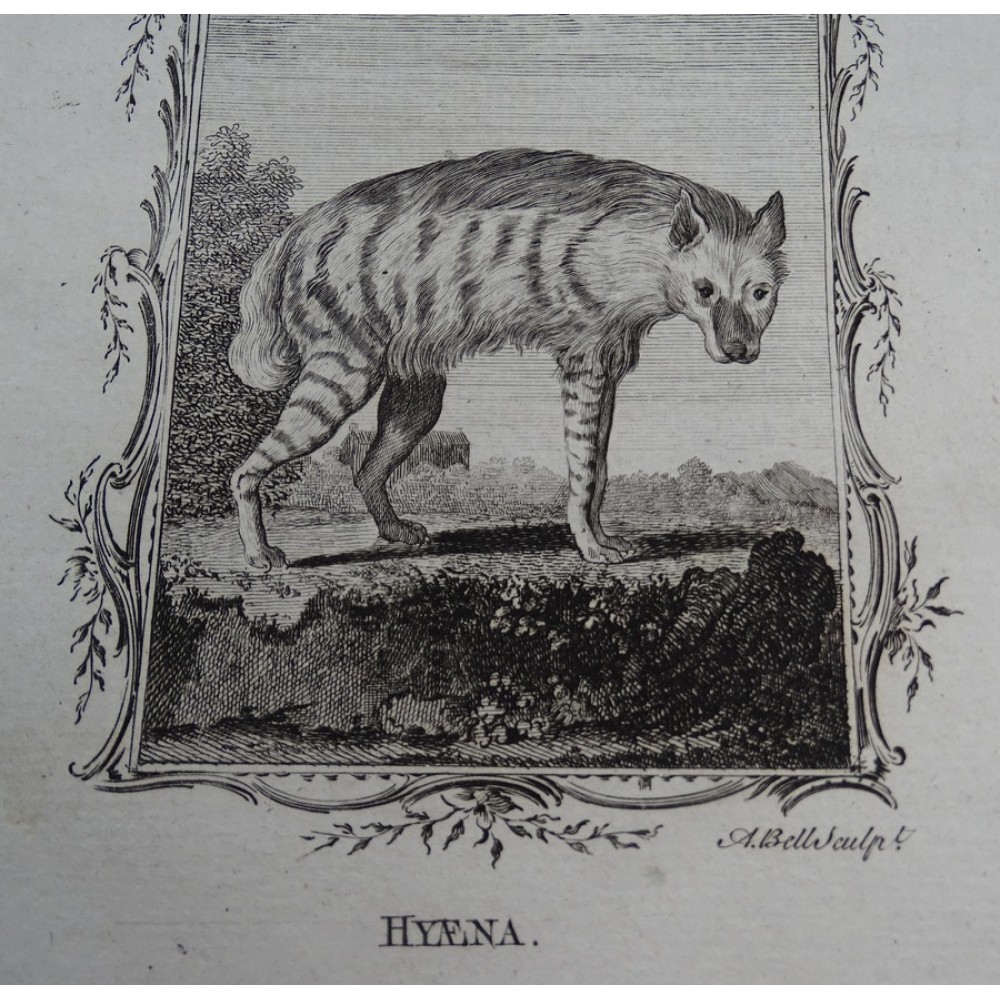
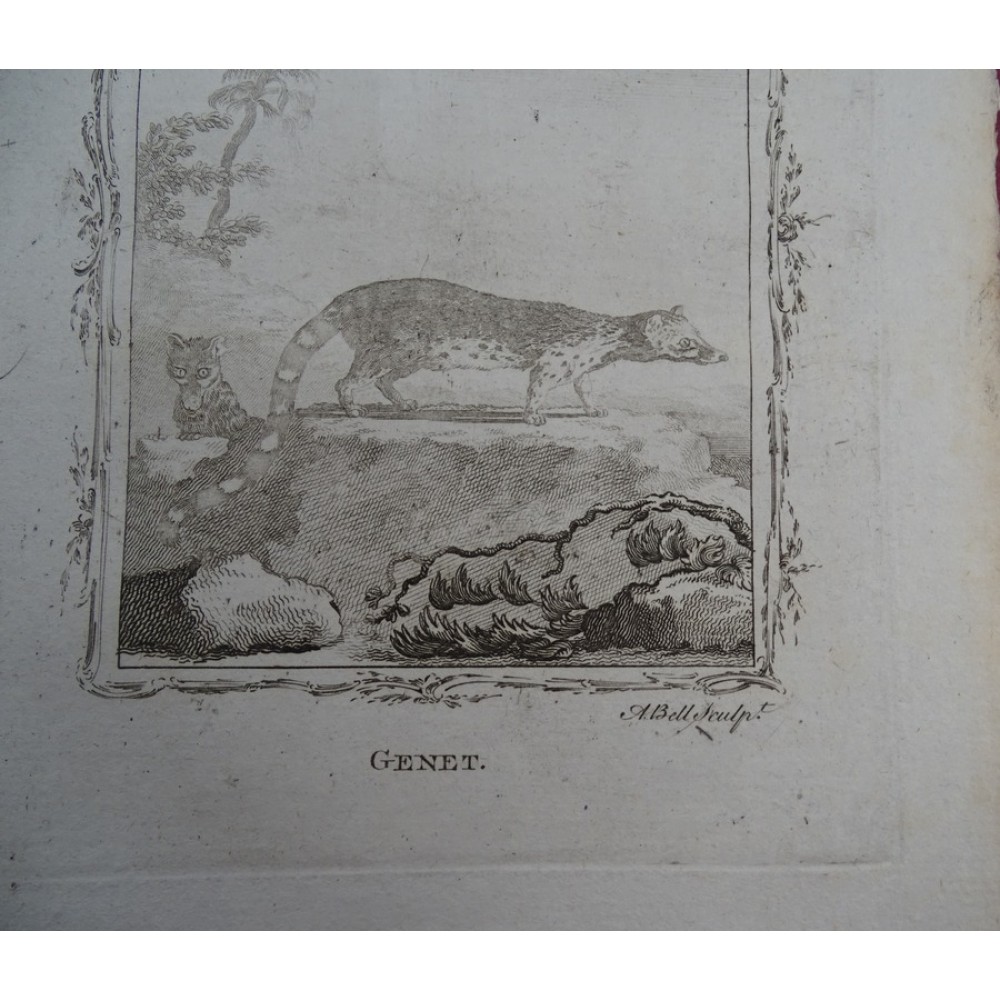
The sheet bears a signature – A. Bell Sculpt.
Andrew Bell (1726-1809) was a Scottish engraver and printer, one of the co-founders of Encyclopædia Britannica, alongside Colin Macfarquhar.
He was born in 1726 to an Edinburgh baker’s family. He received little formal education as a child and was apprenticed to engraver Richard Cooper. Bell began by engraving names on dog collars. Despite his short stature, he always consciously rode the tallest horse in Edinburgh.
Bell produced almost all of the engravings for the first through fourth editions of Encyclopædia Britannica: 160 for the first, 340 for the second, 542 for the third, and 531 for the fourth. Additionally, 50 plates as an appendix to the third edition were engraved by David Lizars. For the first edition, Andrew engraved three pages of anatomically accurate depictions of female genitalia and intrauterine fetuses for the gynecology article. These illustrations so shocked King George III that he ordered them removed from every copy of the encyclopedia.
After Macfarquhar’s death in 1793, Bell purchased all copyright to Encyclopædia Britannica and remained its sole rights holder until his death in 1809.
Georges-Louis Leclerc, Comte de Buffon – a French naturalist, biologist, mathematician, natural scientist, and writer of the 18th century. In his youth, he received an excellent education. Even as a young man, he translated Newton’s works and some scientific articles, which led to his appointment as a member of the Academy of Sciences. Partly due to his research on wood species in shipbuilding, he was appointed intendant of the Royal Botanical Garden and from that time onwards actively began his scientific work in the field of natural sciences.
Histoire Naturelle – the book by which Buffon is remembered and entered history. It was written in 36 volumes, and 8 volumes were compiled and published after his death, thanks to his colleague Bernard Germain. The scientific treatise includes all areas of knowledge then known as natural sciences.
Buffon devoted approximately 50 years to this work. In addition to the main aspects of natural science, the book describes four-legged animals, birds, minerals, mineral resources, and some reflections on the origin of the Earth. Authorship belongs not only to Buffon; several scientists also participated in creating the scientific collection alongside him.
As a man with a vivid imagination, Buffon paid great attention to illustrations. Jacques de Sève illustrated four-legged animals, and François-Nicolas Martinet illustrated birds. Approximately 2000 antique engravings adorn the work, depicting animals not only with anatomical clarity and accuracy but also skillfully from an artistic perspective.
The engraving is vibrant, with beautiful and clean images, in good condition despite its age.
This is a genuine 18th-century illustration that can be framed and used to decorate your interior. Over time, the price of engravings and lithographs only increases. Acquiring antique items is a wonderful investment and will help preserve and increase your money.
The condition can be seen in the photos – the scanner does not show all the beauty of the image and may distort the color.
Looks excellent in a frame with matting.
A framed engraving or lithograph is an exquisite decoration for the interior; it will fit perfectly into any style of décor. The combination of charm of the subject, antique rarity, and uniqueness of the engraving with a democratic price will transform your interior. Engravings and lithographs are a promising collectible item that is practically never forged, and their reproductions are easily recognizable. Collecting engravings and lithographs is a hobby accessible to almost everyone and does not require in-depth professional study of the subject.
Antique zoological engraving "Brown Coati" from an 18th-century copper plate by Georges-Louis Leclerc.
- Product Code: 7709
- Availability: In Stock
-
$0.00